
Gardening by the Moon
A brief Lunar Planting Guide
Do you garden by the phases of the Moon? Can lunar planting affect the results you get in your garden?
Every long term gardener has their own tips and tricks on how to get best results in a garden. Tips they swear by even though there may be no logic or scientific data to back them up.
One such tip is gardening by the phases of the moon. Let's see if this ancient belief has any logic to it.
The moon definitely has an effect on ocean tides... and some people follow the idea that weather patterns and even human behaviour are affected by the moon. So why not plants?
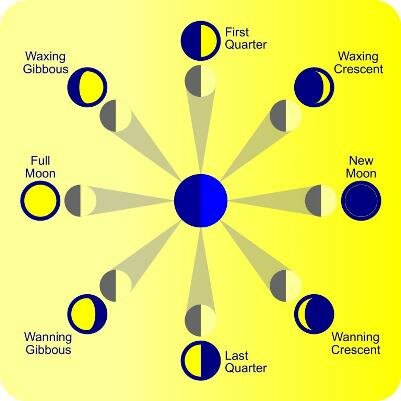
For gardeners following the moon's phases, here they are... described in four parts, first quarter, second, third and fourth.
The first two quarters are waxing (increasing) phases and the two latter quarters are waning (diminishing) phases. The cycle lasts 29 days. The full moon as marked on a calendar is the demarcation between the two types of phases.
So how does this all relate to your garden? Well, in the waxing phase, the theory is that the water table rises and plants take up nutrients faster, making it an ideal time to plant.
The waning phase is much better for pruning and weeding as the water table is lower and things like tree sap run much slower. Anecdotal evidence also suggests that harvests are larger and plants don't go to seed as quickly if planted in the appropriate cycle.
So, quarter by quarter, here is what you should do if you'd like to follow lunar planting by gardening by the moon...
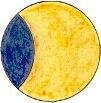
Quarter 1:
The start of the waxing phase with the new moon is the best time to sow and plant above ground leafy vegetables. Plants that respond well during this quarter include broccoli, cabbage, lettuce, spinach, celery and cauliflower. The water table is rising and the plants will take up nutrients and germinate quickly.
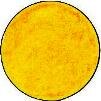
Quarter 2:
The gravitational pull of the moon is less but the additional light theoretically aids leafy growth. Vegetables that respond well to being sown and planted in this phase include those that form internal seeds like beans, peas, tomatoes and vine crops. The second quarter is also where vegetables should be harvested. This is when their moisture is at its peak.
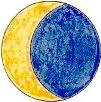
Quarter 3:
Just past the full moon, the water table is dropping and growth is slowing. This is the best phase for sowing and planting root vegetables such as potatoes, carrots, beets and onions. It's also a great time to do any pruning in the garden that is needed. The cut ends will lose less moisture or sap during this period.
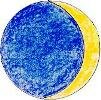
Quarter 4:
A dormant period and no sowing, planting, harvesting or pruning should be carried out. This time is best used for weeding, turning the compost and other garden chores.
Gardening by the moon can be an experimental and fun option to try out for yourself, OR if you truly believe you can alter your plants growth and give them an edge by following the moon's phases, go for it.
There have always been magic and myths abounding in nature, and you can believe and experiment in your garden with your plants as much as you want to.


The coolest little Newsletter around
Avoid the tragics — grab the tips.
Subscribe Free to our monthly Diggers' Rest Newsletter below!
Garden Gift Hub is one of the most thoughtful and interesting places on the web to find original and useful gardening and nature inspired products.

